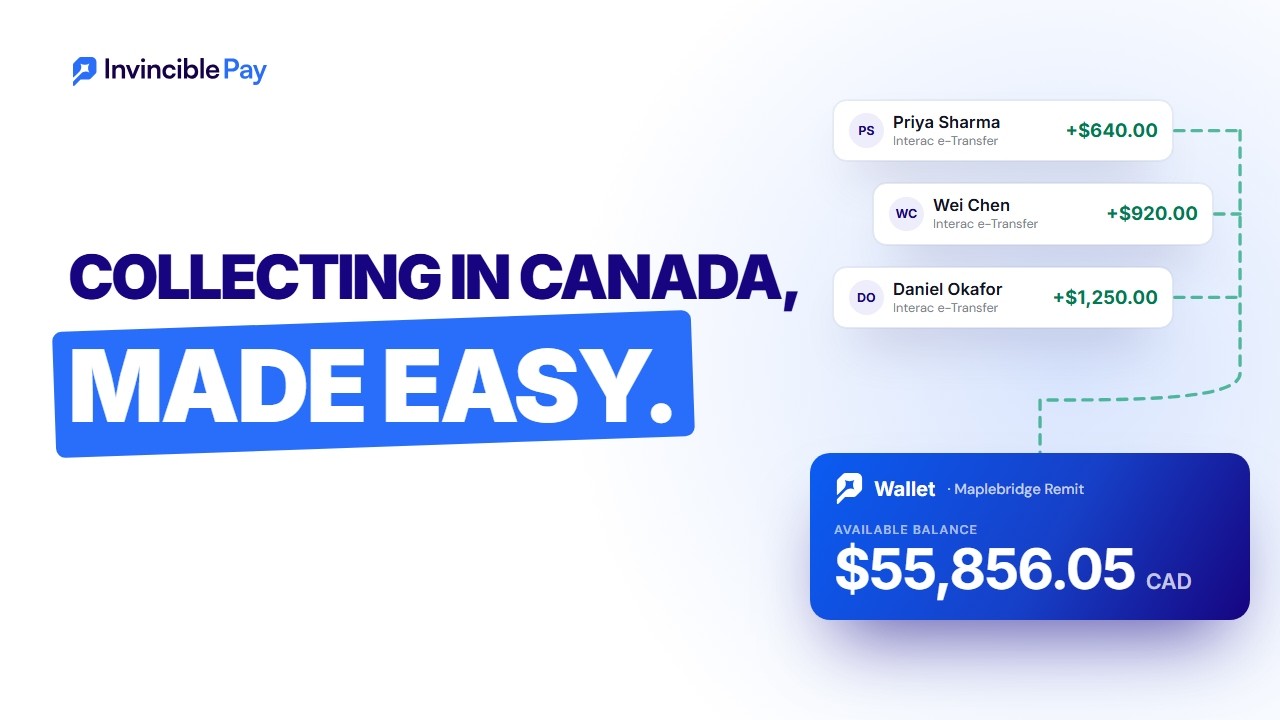
 Remittance companies
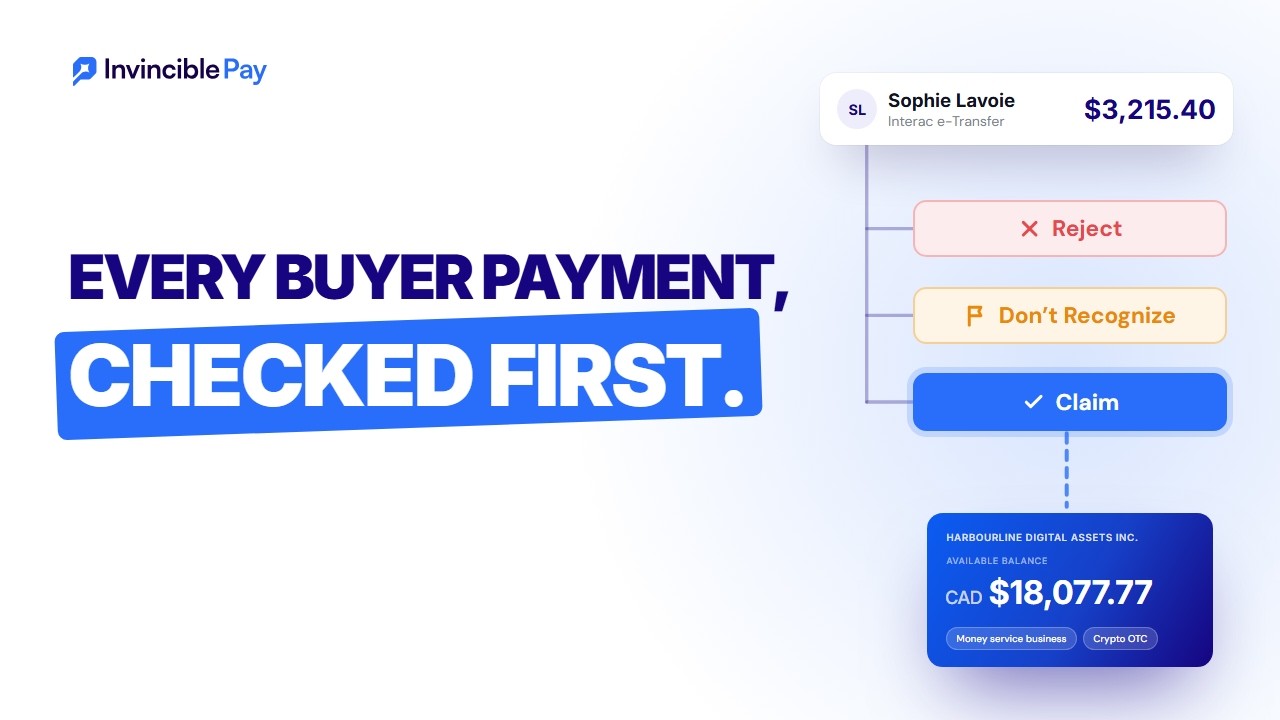 Crypto OTC desks
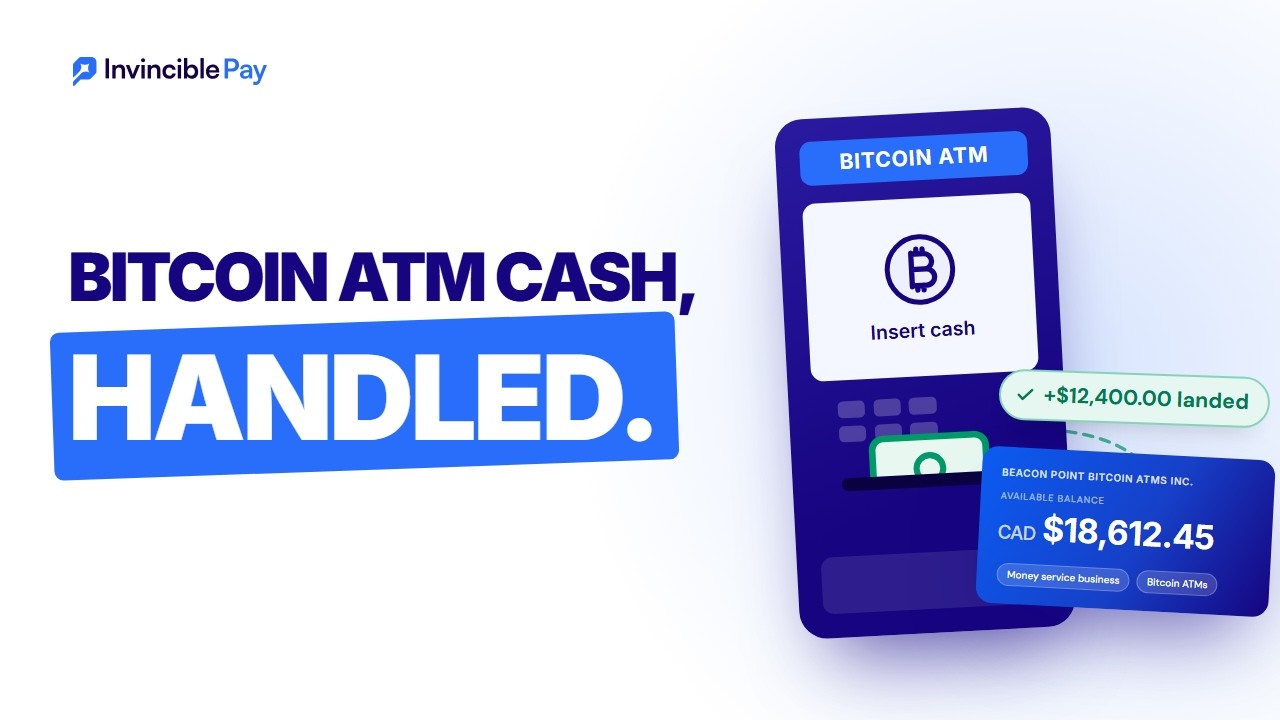 Bitcoin ATM operators
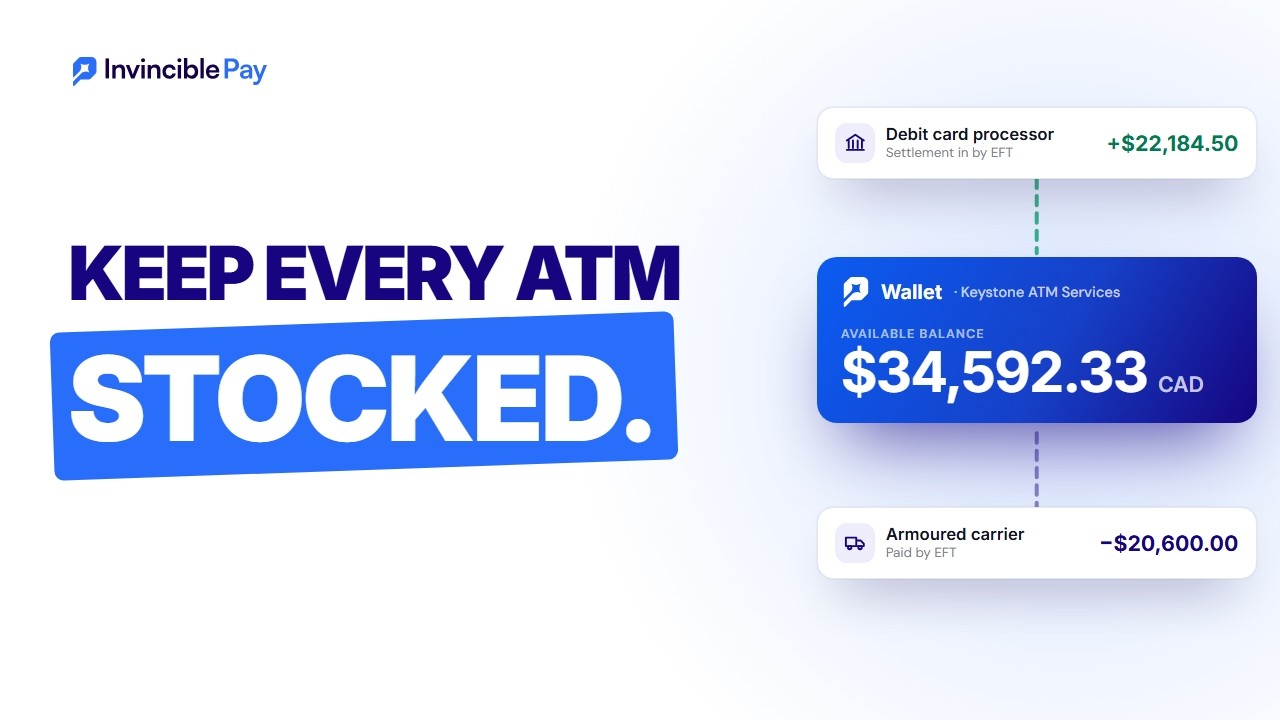 ATM operators
 Small businesses
LVCTRs and the travel rule for crypto businesses
The short answer
File a Large Virtual Currency Transaction Report (LVCTR) with FINTRAC when you receive virtual currency worth $10,000 or more. That's one receipt, or linked ones within 24 hours, and the report is due within 5 working days. Under the FINTRAC travel rule, each virtual currency transfer you send carries both parties' names, addresses and account or reference numbers.
Travel rule information
- Name
- Address
- Account or reference no.
- Name
- Address
- Account or reference no.
On this page
- What is an LVCTR?
- Who has to file LVCTRs and follow the travel rule?
- When do you have to file an LVCTR?
- How does the 24-hour rule work?
- What goes into an LVCTR?
- What are the LVCTR exceptions?
- What is the FINTRAC travel rule?
- What if a transfer arrives without travel rule information?
- Which virtual currency records do you keep?
- Which FINTRAC report does each crypto event need?
- Sources
What is an LVCTR?
An LVCTR is a Large Virtual Currency Transaction Report. Your business sends one to FINTRAC when it receives virtual currency worth $10,000 or more. That can be one transaction, or several linked ones within 24 hours.
The FINTRAC travel rule sits beside it. It sets the information that has to go with each virtual currency transfer you send. Both rules came into effect on June 1, 2021.
Both cover the crypto side of an exchange, an OTC desk or a Bitcoin ATM. For the Canadian dollar side, see our payment rails for crypto businesses.
This guide puts FINTRAC's published guidance into plain words. It isn't legal advice: FINTRAC's guidance and your compliance officer have the final say.
Who has to file LVCTRs and follow the travel rule?
A business that deals in virtual currency in Canada is a money services business under FINTRAC's rules. It must register before it operates. Foreign money services businesses that direct these services at people in Canada register too.
- LVCTRs: FINTRAC says every reporting entity must report large virtual currency transactions, not only money services businesses.
- The travel rule for virtual currency: financial entities, money services businesses and foreign money services businesses.
If you're registered as an MSB that deals in virtual currency, plan for both.
When do you have to file an LVCTR?
File an LVCTR when you receive virtual currency worth $10,000 or more in one transaction. FINTRAC counts it as received once it can no longer be reversed or cancelled.
The report is due within 5 working days after the day you receive it. Working days run Monday to Friday and don't include public holidays.
- Value it in Canadian dollarsUse the exchange rate you use in the normal course of business. The Bank of Canada doesn't publish virtual currency rates, so your compliance policies must say how you set yours.
- Check the 24-hour ruleAdd up linked receipts in the same 24-hour window. The next section shows how.
- File within 5 working daysReport through FINTRAC's Web Reporting System or the FINTRAC API. Paper forms are only for businesses that can't report electronically.
- Keep a copyKeep each report for at least 5 years from the day you made it.
A service provider can file the report for you. FINTRAC still holds your business responsible for it.
How does the 24-hour rule work?
Several smaller receipts can add up to one report. You add receipts together when all of these are true:
- they total $10,000 or more
- they fall inside the same 24-hour window
- you know they share a conductor, a beneficiary or a third party they were made for
The window is 24 consecutive hours, and your policies set where it starts. It doesn't have to run from midnight to midnight: FINTRAC's own example is 9 am Monday to 8:59 am Tuesday.
- Monday, 10:12 am$4,200.00
- Monday, 3:47 pm$3,900.00
- Tuesday, 7:05 am$2,600.00
A single receipt of $10,000 or more that isn't added to any others gets a report of its own.
What goes into an LVCTR?
FINTRAC's report follows the virtual currency from where it came from to where it went. In plain terms, it asks for:
| Part | What it covers |
|---|---|
| General information | Your reporting entity number, a reference for the report and a contact person. |
| Transaction details | When you received the virtual currency, the transaction hash and reference numbers, and whether several receipts were added together. |
| Starting action | The amount and type of virtual currency, the exchange rate, the sending address, the source of funds and who conducted the transaction. |
| Completing action | What you did with the virtual currency, the amount, the receiving address and the beneficiary. |
The report is about what you receive. Sending virtual currency out doesn't trigger an LVCTR on its own. Where the currency went next is recorded as the completing action.
What are the LVCTR exceptions?
FINTRAC lists three exceptions. You don't file an LVCTR for these.
- Some linked receipts. Receipts under $10,000 each don't add up to a report when the beneficiary is a public body. The same goes for a very large corporation or trust, or a regulated pension fund's administrator.
- Validation rewards. Virtual currency you receive for validating a transaction on a distributed ledger is exempt. So is a nominal amount used only to validate a transaction or carry information.
- Your own funds. Virtual currency you hold for your own operational purposes is exempt too.
The Canadian dollar side of your trades
Your customers fund their purchases by Interac e-Transfer, and you settle OTC trades by same-day wire, in Canadian dollars. The crypto on- and off-ramp is integrated with the wallet.
What is the FINTRAC travel rule?
The travel rule decides what information goes with a virtual currency transfer. When you send one, you must include:
- the name, address and account or reference number (if any) of whoever asked for the transfer
- the name, address and account or reference number (if any) of the beneficiary
FINTRAC's guidance sets no dollar threshold for sending. Plan to include this information with every virtual currency transfer you send. Information you receive under the travel rule can't be removed from a transfer.
What if a transfer arrives without travel rule information?
Some virtual currency transfers you receive need a record. For those, take reasonable measures to make sure the travel rule information came with them. That covers $1,000 or more you receive to send on to a beneficiary, and receipts of $10,000 or more.
If the information is missing, take reasonable measures to get it. FINTRAC defines reasonable measures as steps taken to achieve a result, even if they don't achieve it.
You also need written, risk-based policies for transfers where you can't get the information. They must say when you'll allow, suspend or reject the transfer, and what follow-up you'll do.
Which virtual currency records do you keep?
The travel rule isn't a separate record. It feeds the virtual currency records FINTRAC already asks for. For money services businesses, those are:
| Record | When you need it |
|---|---|
| Large virtual currency transaction record | You receive virtual currency worth $10,000 or more. |
| Virtual currency transfer record | You transfer virtual currency worth $1,000 or more at a client's request. |
| Record of virtual currency received for remittance | You receive virtual currency worth $1,000 or more to send on to a beneficiary. |
| Virtual currency exchange transaction ticket | Every exchange, whatever the amount, with the client's identification details from $1,000. |
Keep these records for at least 5 years. Keep them in a form you can give FINTRAC within 30 days of a request.
Which FINTRAC report does each crypto event need?
An LVCTR covers virtual currency only. Here is how common events in a crypto business map to FINTRAC's reports.
| What happens | What you file |
|---|---|
| A customer sends you bitcoin worth $10,000 or more | An LVCTR, within 5 working days |
| Three receipts from one customer reach $10,000 within 24 hours | One LVCTR for the total, under the 24-hour rule |
| A customer pays you $10,000 or more in cash | A large cash transaction report, within 15 calendar days |
| You send an international electronic funds transfer of $10,000 or more | An electronic funds transfer report, within 5 business days |
| You have reasonable grounds to suspect a transaction, or an attempted one, is linked to money laundering or terrorist financing | A suspicious transaction report, as soon as practicable. There's no dollar threshold |
Canadian dollars you receive by Interac e-Transfer, EFT or wire aren't virtual currency, so they never go into an LVCTR. That Canadian dollar side is the part we handle for crypto businesses. We deal only in Canadian dollars and work only with Canadian businesses.
Your LVCTRs and travel rule duties stay with your business as the reporting entity.
Sources
We checked every rule in this guide against these official pages on October 23, 2026. Rules change, so read the current version before you file anything. This guide explains what the rules say. It isn't legal advice.
- Reporting large virtual currency transactions to FINTRACFINTRAC
- Reporting transactions to FINTRAC: the 24-hour ruleFINTRAC
- Travel rule for electronic funds and virtual currency transfersFINTRAC
- Record keeping requirements for money services businesses and foreign money services businessesFINTRAC
- Financial transactions reported to FINTRACFINTRAC
- Reporting electronic funds transfers to FINTRACFINTRAC
- Reporting suspicious transactions to FINTRACFINTRAC
- Money services businesses (MSBs)FINTRAC
- Proceeds of Crime (Money Laundering) and Terrorist Financing RegulationsJustice Laws Website