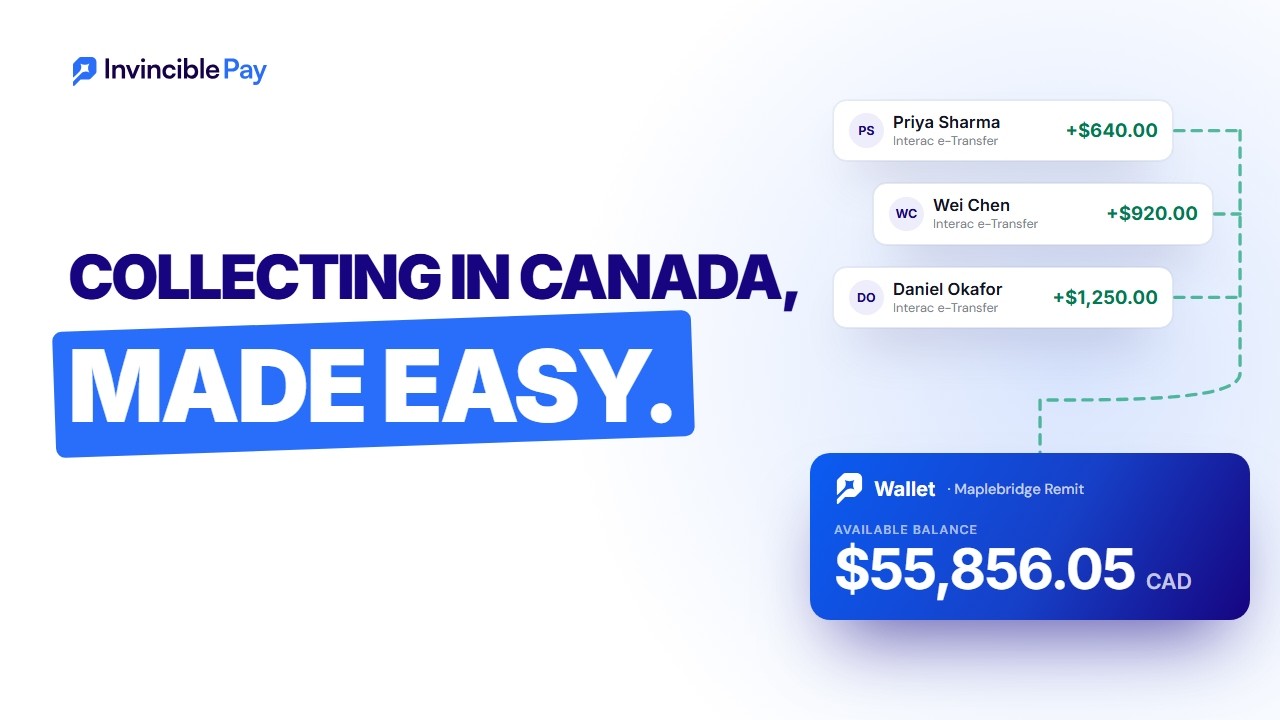
 Remittance companies
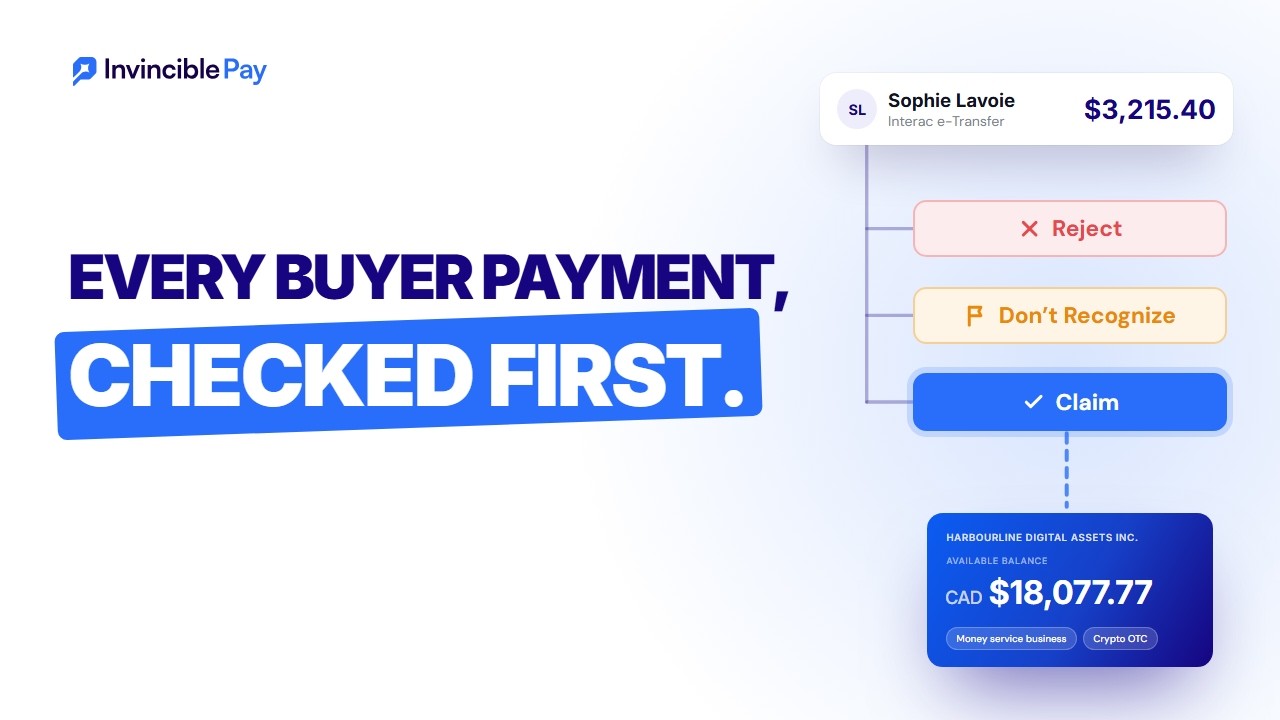 Crypto OTC desks
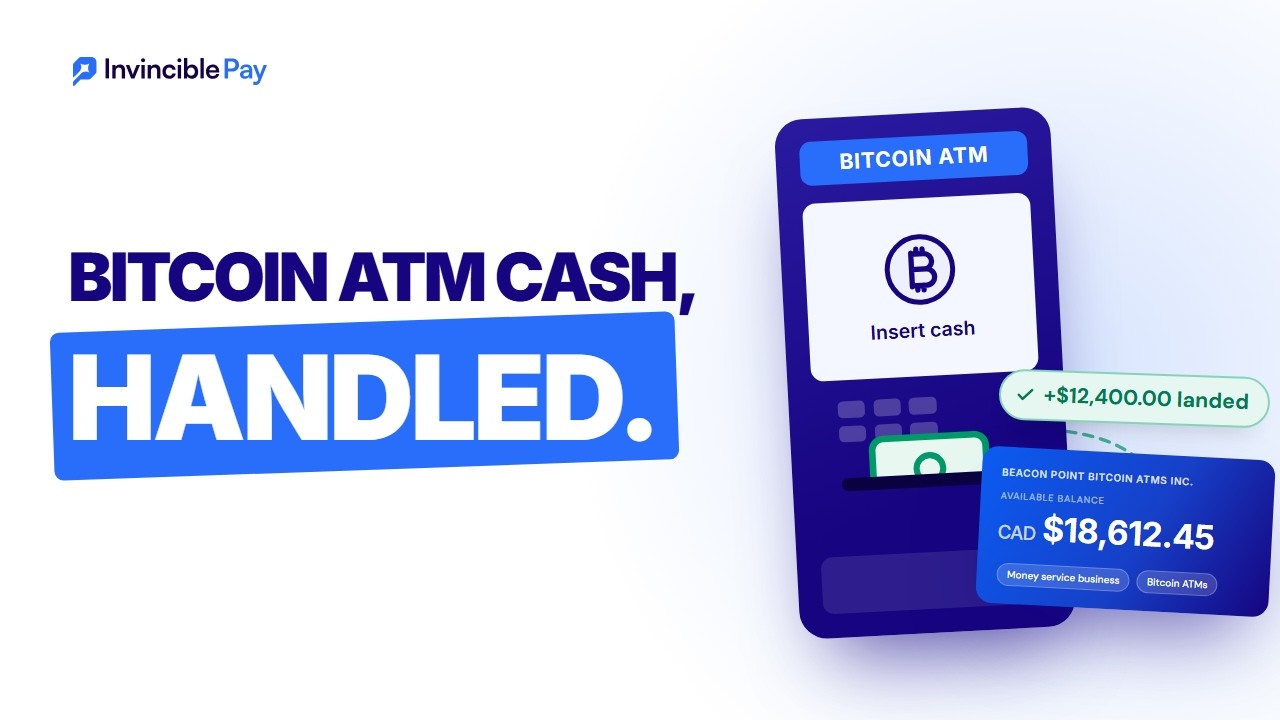 Bitcoin ATM operators
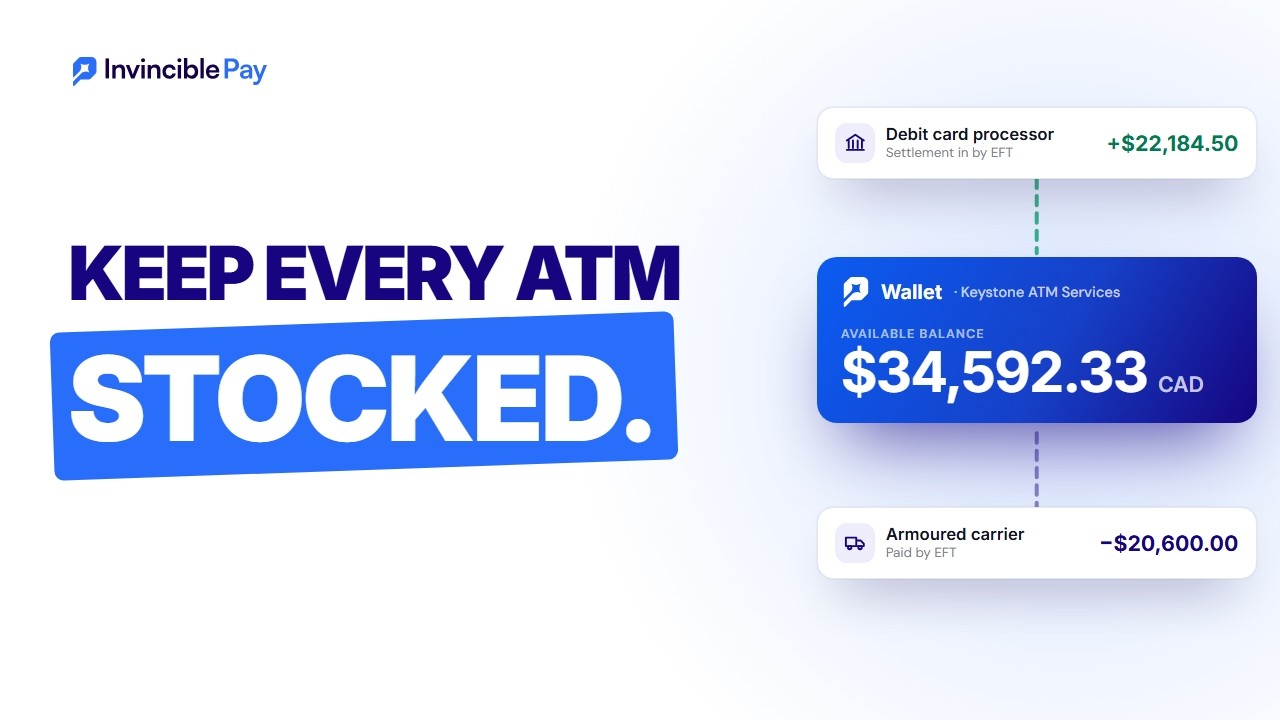 ATM operators
 Small businesses

On this page
- Why is December the busiest month for remittances?
- What breaks first when remittance volume spikes?
- How much can a customer send by e-Transfer in a day?
- How does a remittance business collect payments by e-Transfer?
- Should you settle by EFT or wire in December?
- Remittance Canada: FINTRAC rules that get busier in December
- A short December checklist
- Frequently asked questions
For a remittance business in Canada, December is usually the busiest sending month of the year. Families send money home for Christmas, New Year's and year-end bills. That means more customer payments, bigger payouts and more questions in a few short weeks.
The businesses that handle the rush well sort out their float, payout timing and customer messages before December 1. This guide walks through each one.
It also shows how collecting every customer Interac e-Transfer in one payment wallet fits in. You can see the full setup on our remittance page.
Why is December the busiest month for remittances?
Holiday sending is the main reason. Many customers send a larger amount for gifts, travel and family costs, on top of their regular monthly transfer. Some send to more than one household.
The calendar adds pressure. As of November 2026, Payments Canada's system closure schedule lists Friday, December 25, Monday, December 28 and Friday, January 1 as closure days. Boxing Day falls on a Saturday this year, so the closure moves to Monday.
That leaves fewer business days to settle a bigger volume. Plan around those dates now, while things are still calm.
What breaks first when remittance volume spikes?
Three things tend to crack first. They are all linked, so a problem with one spills into the others.
Float. Your liquidity provider needs Canadian dollars from you before it pays out abroad. When volume jumps, the money you keep on hand for payouts runs thin fast. EFT typically takes 1 business day. So an EFT you send on Thursday, December 24 may not reach your provider until Tuesday, December 29.
Payouts. When settlement runs late, payouts to families run late. In December, a late payout often means a missed holiday plan. Those are the complaints that stick.
Customer questions. Every payment you can't match to a customer turns into a call or a chat. "Did you get my money?" is the question that eats your team's day. Clear payment references and fast confirmations cut most of it.
How much can a customer send by e-Transfer in a day?
Most people can send about $3,000 to $5,000 a day by Interac e-Transfer. Their own bank sets that cap, and it varies by bank and account type.
Your Invincible Pay wallet receives without limits. A busy day of customer payments all lands in one place, with no ceiling on your side. The limit that matters is each customer's own daily cap.
That shapes how you prepare. If a regular customer plans to send $4,000 home for the holidays, they may need to split it across 2 days. Tell customers early in December, on your website and on receipts, so nobody hits the limit on December 23.
How does a remittance business collect payments by e-Transfer?
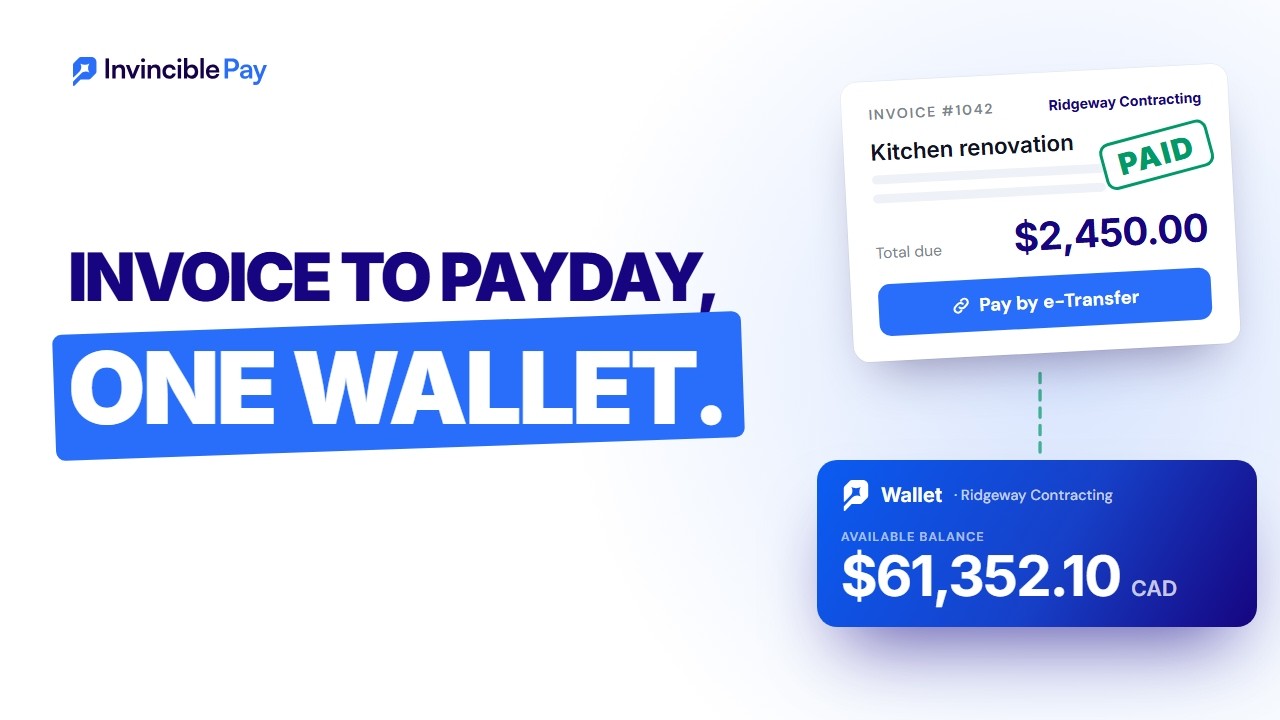
The flow is simple, and it's the one shown in the "Collect Every Customer e-Transfer in One Wallet" video on our remittance page.
- Your customer pays by Interac e-Transfer. You can send them an Interac e-Transfer request, use e-Transfer checkout on your site, or let payments come in by autodeposit. A customer sending $500 home pays you $500 in Canadian dollars.
- The payment lands in one wallet. An e-Transfer usually arrives in minutes (up to 30). e-Transfer checkout payments land in the wallet with no holding period. Webhooks from our API can tell your system when each payment arrives.
- Your liquidity provider converts and pays out. We deal only in Canadian dollars and don't convert currency. Your liquidity provider handles the conversion and the payout to the family abroad.
- You settle with your provider. Send the Canadian dollars by EFT or same-day wire, straight from your wallet.
Every customer payment sits in one place, so your team sees the whole day's volume on one screen. That makes it easier to know how much float you have before you settle.
You can read more about how we work with money services businesses on our MSB page.
Should you settle by EFT or wire in December?
Use both, for different jobs.
EFT suits routine settlement you can plan a day ahead. It typically takes 1 business day, so send it the day before your provider needs the funds.
Same-day wires suit the days when float runs low or a closure day is coming. Wires go in and out of the wallet the same day, inside Canada and in Canadian dollars.
A simple December rule: settle by EFT on normal days, and keep wires for December 24, December 31 and any day volume runs ahead of your forecast.
Remittance Canada: FINTRAC rules that get busier in December
Every money transfer business in Canada that remits funds must register with FINTRAC as a money services business. Your rules stay the same in December. More transactions run through them.
As of November 2026, FINTRAC's guidance on electronic funds transfers says:
- You report an international EFT of $10,000 or more within 5 business days.
- Under the 24-hour rule, 2 or more international EFTs that total $10,000 or more in 24 hours can also need a report.
- Customers who send several holiday transfers in a row make the 24-hour rule more likely to apply.
FINTRAC's record keeping guidance for MSBs also asks for records on international EFTs of $1,000 or more. Holiday closures shorten the working week, so make sure the person who files reports isn't on holiday the same week as the rush.
A short December checklist
- Mark December 25, December 28 and January 1 in your settlement calendar.
- Top up your float before the third week of December.
- Tell customers about their own bank's daily e-Transfer limit.
- Turn on webhooks so payments match to customers without manual work.
- Book extra staff for the days before Christmas and New Year's Eve.
Want every customer e-Transfer in one wallet before the rush starts? Tell us about your remittance business and we'll walk you through setup. Money services and high-risk businesses onboarded by January 7 get waived setup and monthly minimum fees.
Frequently asked questions
How much does Invincible Pay cost for a remittance business?
Pricing is $1.95 + 0.20% per transaction. MSB accounts also pay a $500 one-time setup fee and a $500 monthly minimum that counts toward transaction fees. For wires, reach out for pricing. Other providers typically charge $3,000 or more to onboard, $1,500 or more a month and around 1% per e-Transfer request. See our pricing page for details.
Can Invincible Pay convert currency for my customers?
No. We deal only in Canadian dollars and don't convert currency. Customers pay you in Canadian dollars, and your liquidity provider handles the conversion and the payout abroad. We also work only with Canadian businesses.
Looking for an MSB bank account to collect e-Transfers?
You can use a payment wallet instead. Invincible Pay is registered with FINTRAC as a money services business (no. C100000702) and with the Bank of Canada as a payment service provider under the Retail Payment Activities Act. "Your funds are safeguarded under the Retail Payment Activities Act: kept separate from our own money, in a dedicated account covered by insurance, as the Act requires."
How fast can I start collecting e-Transfers before December?
You can apply in about 20 minutes. Once we have your documents, approval usually takes up to 3 business days. You're usually processing payments within 5 business days, so applying in November leaves time before the holiday rush.
Can I pay my liquidity provider the same day?
Yes. Same-day wires go in and out of the wallet the same day, inside Canada and in Canadian dollars. EFT typically takes 1 business day. From your wallet you can send up to $25,000 per transfer, with no daily limit.