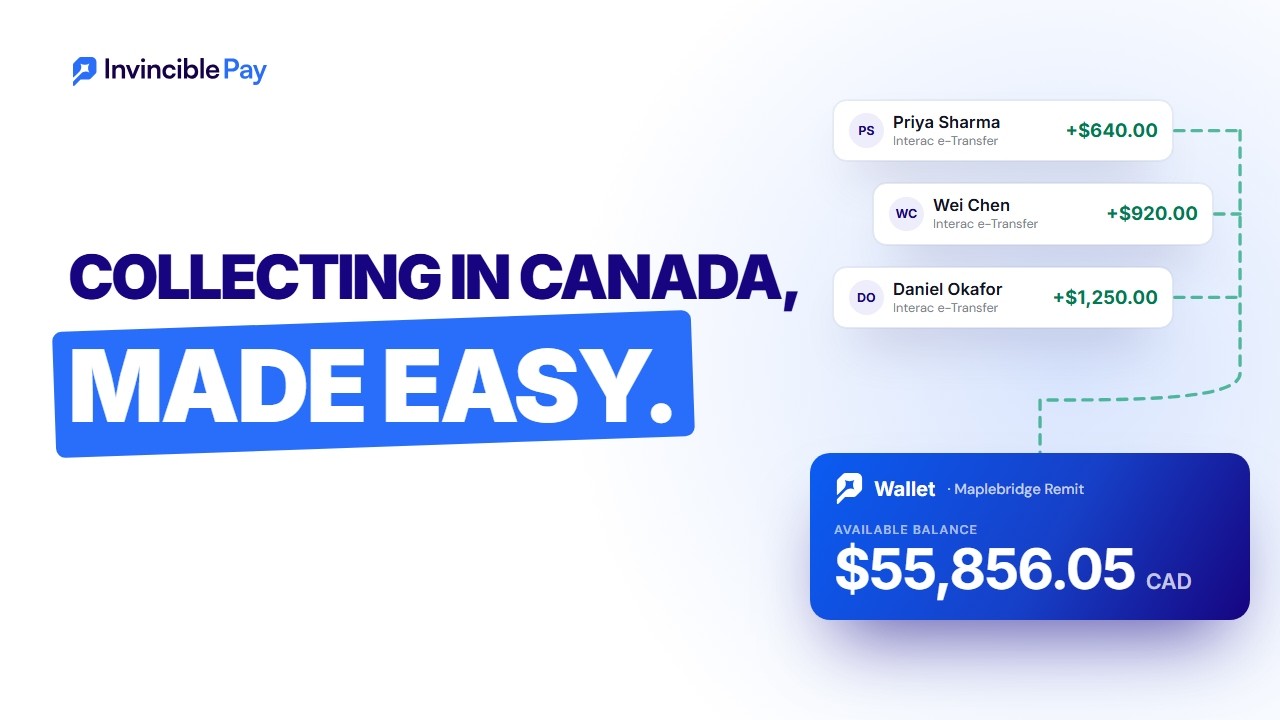
 Remittance companies
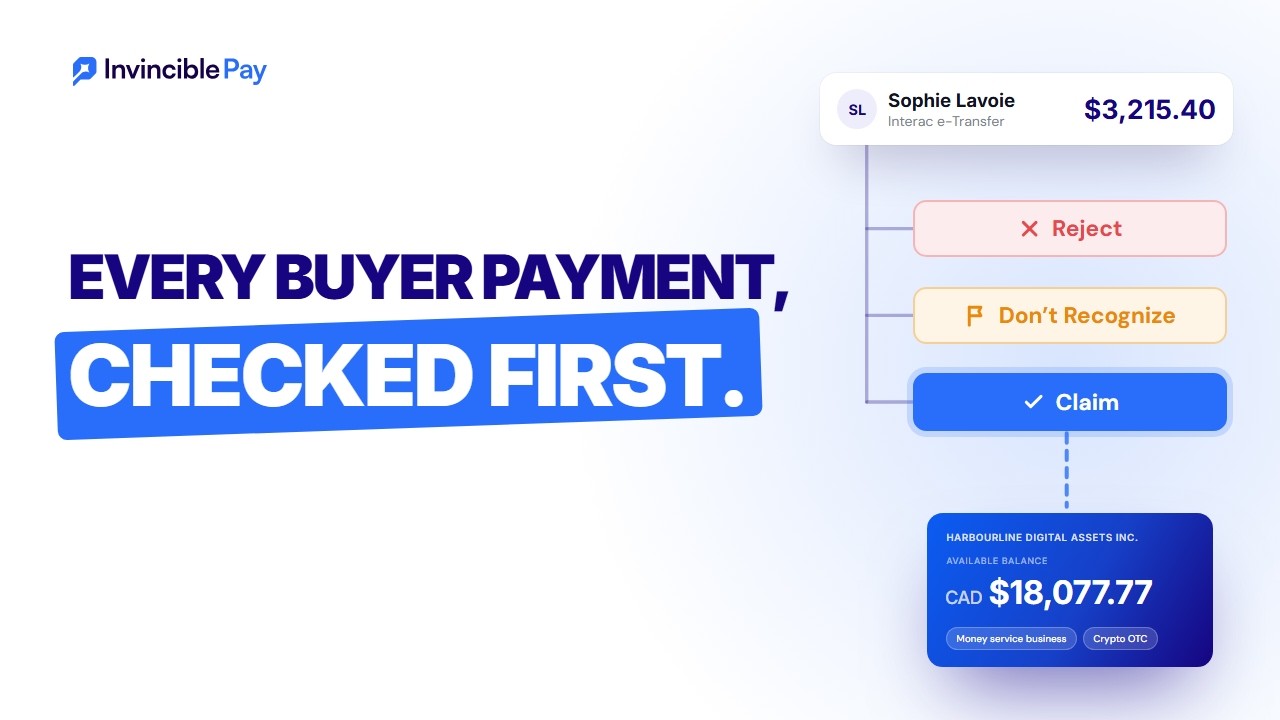 Crypto OTC desks
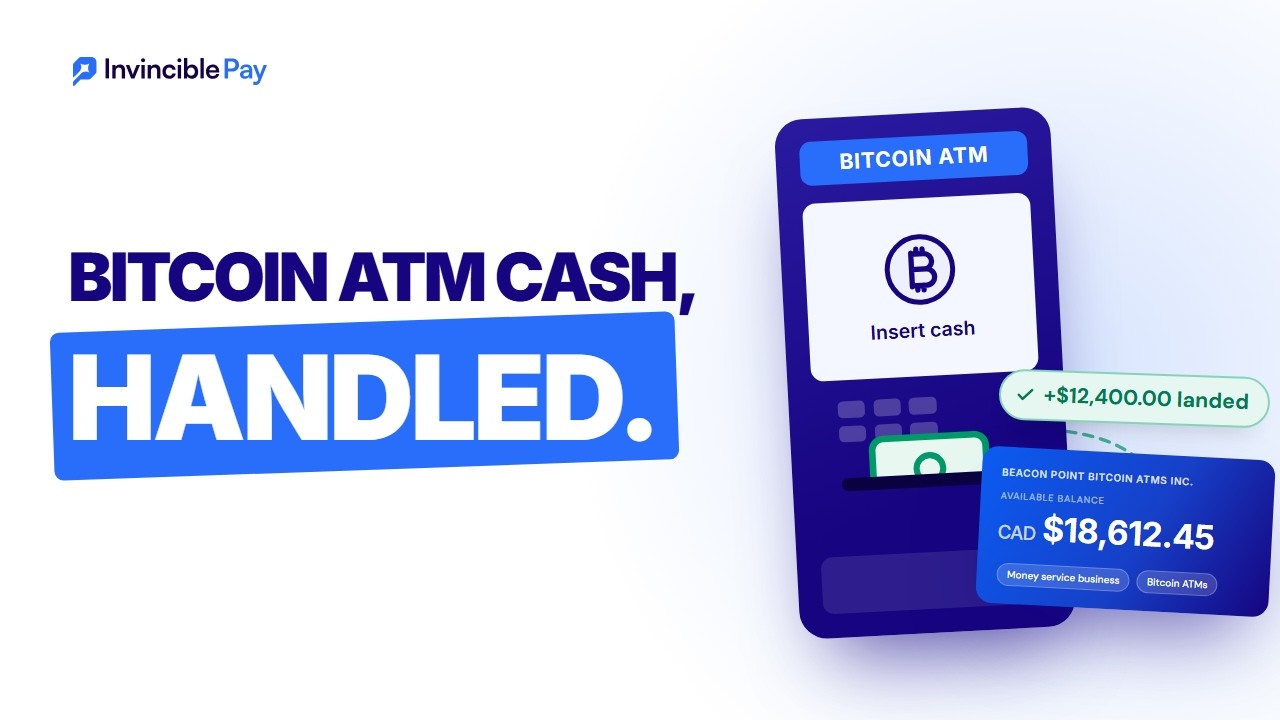 Bitcoin ATM operators
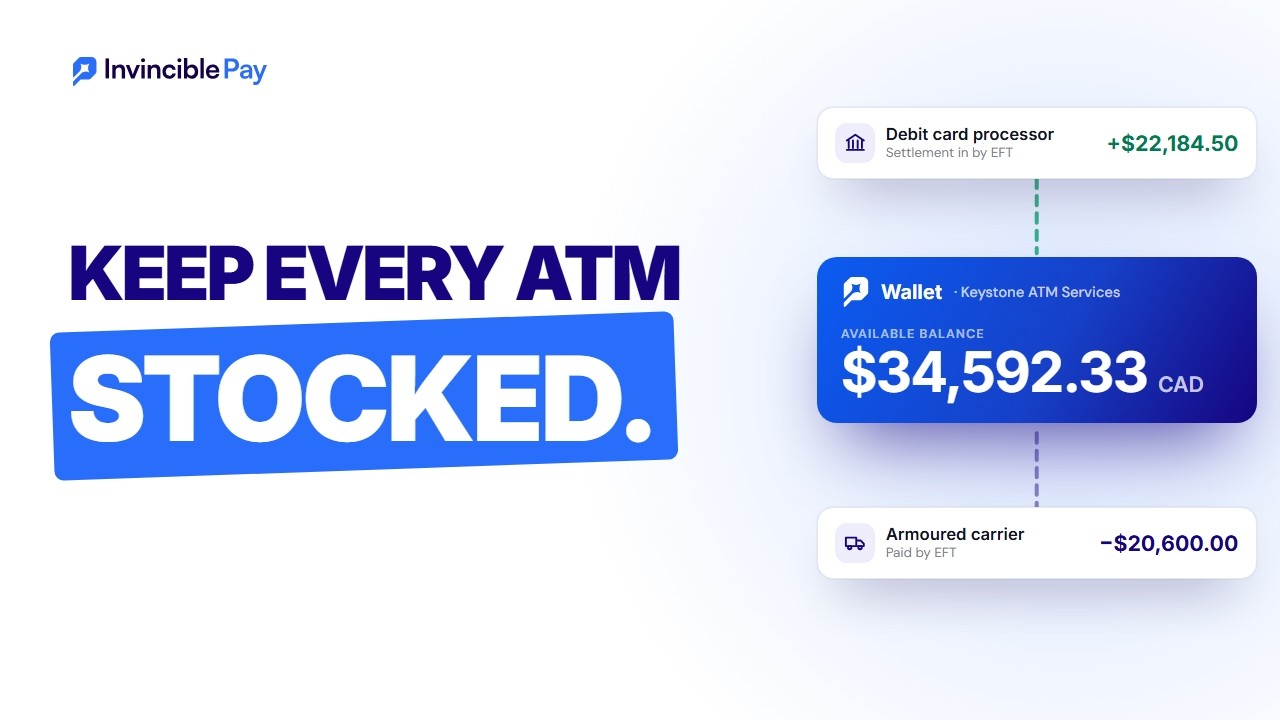 ATM operators
 Small businesses

On this page
- Why are banks closing MSB accounts in 2026?
- What is de-risking?
- How do banks look at MSB risk?
- Why do banks close accounts with no explanation?
- What makes an MSB easier to serve?
- Looking for an MSB bank account? Consider a payment wallet
- What to do in the first week after your bank closes your account
- How do I find a new payment partner for my MSB?
- Frequently asked questions
Debanking in Canada hits money services businesses harder than almost anyone else. In the year ending March 31, 2026, FINTRAC revoked 400 MSB registrations, up from 12 the year before. That figure comes from its 2025-26 annual report release. Every revocation gives banks one more reason to look twice at the MSBs on their books.
If you run an MSB, that caution lands on you, even when your own file is clean. A closure letter can arrive with no reason at all.
Below, we cover how banks look at MSB risk and what makes you easier to serve. We also explain where a payment wallet for money services businesses fits in.
Why are banks closing MSB accounts in 2026?
MSBs offer services much like a bank's, under lighter rules. To a bank, that makes an MSB client high risk, because the bank takes on the risk of every customer the MSB serves.
This year raised the stakes. Bill C-12 received Royal Assent on March 26, 2026. As of November 2026, FINTRAC says it raises maximum penalties to up to 40 times the old limits.
With more at stake, many banks decide the simplest choice is to say no to MSBs.
What is de-risking?
This is when a bank exits a whole group of clients instead of judging each one on its own. For a bank, closing a category is cheaper than reviewing every file in it.
For an MSB, this means your account can close even with good records and a clean history. The decision is often about your sector as a whole.
Getting debanked this way is frustrating. It also says very little about how well you run your business.
How do banks look at MSB risk?
A bank has to know its clients and watch for unusual activity. With an MSB, it is also taking on some of the risk of your customers. That is why MSB files get so many questions.
Banks tend to look at:
Your FINTRAC registration status and history
Which services you offer, and to whom
Where your money comes from and where it goes
How much volume moves through the account, and how fast
How mature your compliance program looks
Whether your activity matches what you said at onboarding
That last point causes the most trouble day to day. If you said you'd move $200,000 a month and you move $2 million, expect questions. Sometimes the bank skips the questions and sends a closure letter.
Why do banks close accounts with no explanation?
Most business account agreements let the bank end the relationship with notice. It doesn't have to explain a business decision, and it rarely does.
There is also a legal reason for the silence. Section 8 of the Proceeds of Crime (Money Laundering) and Terrorist Financing Act limits what can be said about suspicious transaction reports. Banks tend to play it safe and say nothing at all.
A silent closure doesn't mean anyone filed a report about you. Most of the time it is a sector decision, made far above your branch.
What makes an MSB easier to serve?
Some things are in your hands. These make any review by a payment partner faster and smoother.
A working compliance program
FINTRAC lists the compliance program requirements every MSB must meet. You need a compliance officer, written policies and procedures, and a documented risk assessment. You also need an ongoing training program and plan, plus an effectiveness review at least every 2 years.
"Working" is the key word. A policy binder that nobody opens won't help you. Reviewers look for signs the program is used: training logs, a current risk assessment and a recent effectiveness review.
A clear flow of funds
Draw a simple diagram of how money moves through your business. Show where funds come from, which accounts they touch and where they end up.
If you can explain it on one page, a reviewer can follow it. If it takes a meeting to explain, expect more questions.
Clean records
Keep client ID records, transaction records and reports tidy and easy to pull. Make sure your real volumes match the business you described. Surprises are what make risk teams nervous.
Looking for an MSB bank account? Consider a payment wallet
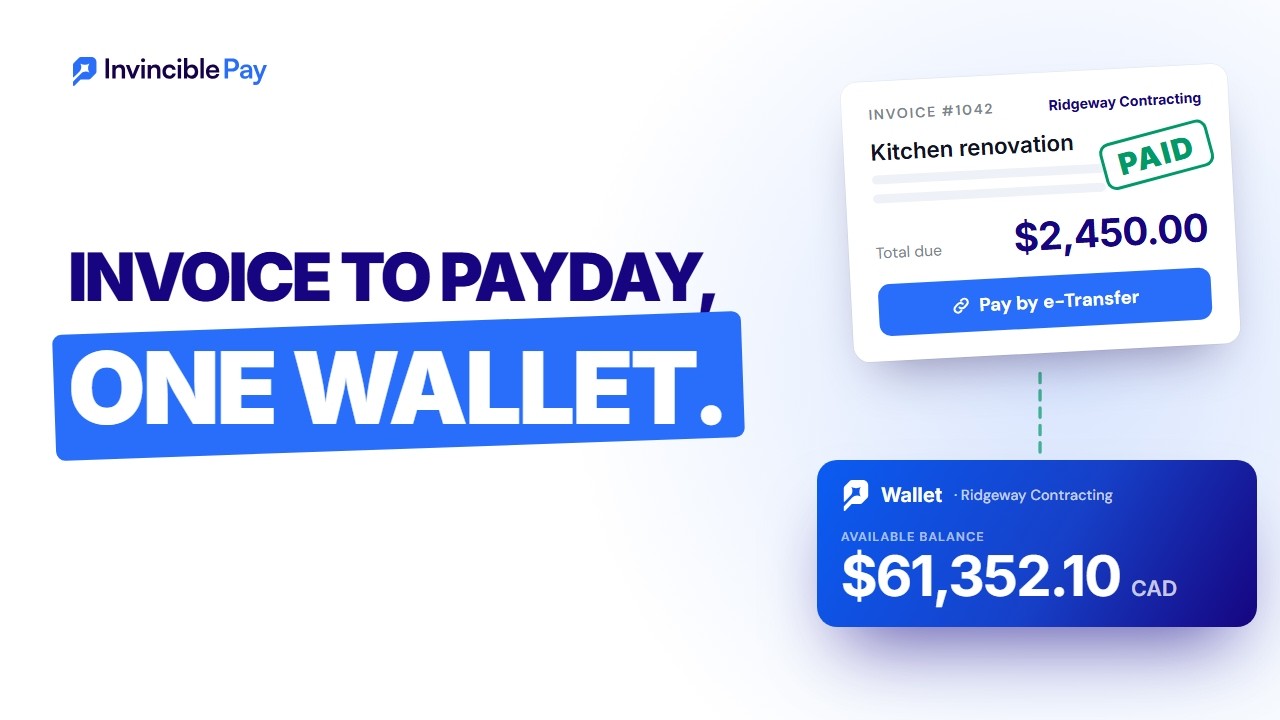
After a closure, many MSBs start searching for a new bank account. Another option is a payment wallet with its own payment rails.
Invincible Pay is registered with FINTRAC as a money services business, registration no. C100000702. We're also registered with the Bank of Canada as a payment service provider under the Retail Payment Activities Act. Your funds are safeguarded under the Retail Payment Activities Act: kept separate from our own money, in a dedicated account covered by insurance, as the Act requires.
From one wallet, you can:
Send and receive Interac e-Transfer, including Interac e-Transfer requests, autodeposit, Secure e-Transfer and Bulk e-Transfer
Send and receive EFT and direct deposit
Send and receive same-day wires inside Canada, in Canadian dollars
Connect your systems through our API with webhooks
Use a crypto on- and off-ramp integrated with your wallet
You can send up to $25,000 per transfer, with no daily limit. An Interac e-Transfer usually arrives in minutes (up to 30). We work only with Canadian businesses, in Canadian dollars, and we don't convert currency.
The MSB Canadian Banking Guide walks through your options in more detail.
What to do in the first week after your bank closes your account
The first week matters most. Here is a short checklist:
Read the letter closely. Note the closure date and any notice period.
Download statements and transaction history now, while you still have access.
List every payment tied to the account: customers, payroll, suppliers and taxes.
Apply for a replacement right away. You can apply to Invincible Pay in about 20 minutes. Approval usually takes 3 business days once we have your documents.
Send your new payment details to customers and partners.
Update your own risk assessment and procedures to reflect your new payment setup.
For a fuller walkthrough, read what to do when your bank closes your business account.
How do I find a new payment partner for my MSB?
Got a closure letter? Tell us about your MSB. We reply within 24 hours on business days. Not ready to talk yet? Download the free MSB Canadian Banking Guide. Money services and high-risk businesses onboarded by January 7 get waived setup and monthly minimum fees.
Frequently asked questions
My bank closed my account. Can I find out why?
Usually not. Most account agreements let a bank close an account with notice and no reason. Banks also stay quiet because the law limits what they can say about suspicious transaction reports. You can ask, but plan your next steps without waiting for an answer.
Can an MSB get a business bank account in Canada?
Some can, but it is often slow and hard, and the account can still close later. Many MSBs use a payment wallet registered with FINTRAC and the Bank of Canada instead. It lets you send and receive Interac e-Transfer, EFT and same-day wires without relying on a single bank relationship.
How much does Invincible Pay cost for an MSB?
Our price is $1.95 + 0.20% per transaction. MSB accounts also pay a $500 one-time setup fee. There is a $500 monthly minimum, which counts toward your transaction fees. Wires and the crypto ramp: reach out for pricing. Other providers typically charge $3,000 or more to onboard and $1,500 or more a month. See the full details on our pricing page.
How fast can my MSB start taking payments?
You can apply in about 20 minutes. Approval usually takes 3 business days once we have your documents, and you're usually processing payments within 5. Having your compliance program and flow of funds ready speeds things up.
Can my customers pay me $25,000 by Interac e-Transfer?
Usually not. Our wallet receives without limits, but each customer is limited by their own bank. Most people can send about $3,000 to $5,000 a day. The $25,000 limit applies to transfers you send from your wallet.
Do you handle foreign currency payments?
No. Invincible Pay works only in Canadian dollars, and we don't convert currency. We also work only with Canadian businesses.